A better life, within reach.
ABLE accounts let eligible people with disabilities save and invest for the future without losing Supplemental Security Income, Medicaid, or other essential benefits. Project ReachABLE helps more families learn about them and use them.
A Project of National Significance
About Project ReachABLE
Fewer than 300,000 of the twelve million eligible Americans with disabilities hold an ABLE account. In 2026, the U.S. Administration for Community Living awarded Northwestern University a $3 million, three-year cooperative agreement to close that gap. RISEI Lab leads Project ReachABLE in partnership with TransCen, Inc., with a goal of 65,000 new ABLE accounts in three years, triple the pace of the program’s first decade.
How we reach people · 01
National technical assistance
Embed plain-language ABLE education and financial literacy at the moments when financial decisions matter most, paired with frontline workforce training, curriculum, and state workflow integration.
Touchpoints include vocational rehabilitation intake, transition planning, benefits counseling, and Medicaid renewal. Targets from the funded application to ACL (HHS-2026-ACL-AOD-DFLA-0025).
Where the pilots run
The seven pilot states
Launch years from National Association of State Treasurers records. Assets are the latest published quarter from state Treasurer, Ascensus, and Vestwell reports (preliminary), as in the interactive maps under Research & Data. Maryland and Ohio do not publish quarterly assets.
How we reach people · 02
Community outreach
Build trusted grassroots pathways that can explain ABLE, correct misconceptions, and help a person complete enrollment, working through the people and organizations families already know and trust.
The network operates in at least 40 states and reaches one million people and family members, working through State Councils on Developmental Disabilities, Protection and Advocacy agencies, University Centers for Excellence in Developmental Disabilities, and community organizations. Targets from the funded application to ACL (HHS-2026-ACL-AOD-DFLA-0025).
How we reach people · 03
National marketing
Run a coordinated national marketing and strategic communications campaign that pairs institutional mailstreams with accessible digital content and audience-tested materials, so the message arrives through channels people already use.
The campaign supplies audience-tested, behaviorally informed materials that also support the trusted-messenger network. Targets from the funded application to ACL (HHS-2026-ACL-AOD-DFLA-0025). Campaign updates go out through the listserv below.
Guided by lived experience
Who holds the pen
A National ABLE Advisory Group guides the project, and more than half of its members are people with disabilities and self-advocates. The group holds authority over consumer-facing materials.
Why it matters
What an ABLE account changes
Save without the $2,000 trap
An ABLE account raises the effective resource limit for Supplemental Security Income, so you can build an emergency fund and save for goals.
Keep your benefits
Money in an ABLE account does not count against SSI resource limits (up to the cap) and does not affect Medicaid. Your coverage stays in place.
Spend on what matters
Funds can go toward housing, education, assistive technology, transportation, health, and other qualified disability expenses.
Millions newly eligible
Starting in 2026, the age-of-onset threshold rises from 26 to 46, opening ABLE accounts to roughly six million more adults, including about one million veterans.
The basics
ABLE in sixty seconds
One federal law, one account, one big change. People with disabilities can save and invest without losing the benefits they rely on.
Qualify
Your disability began before age 26, or before age 46 starting in 2026.
Open
Pick a state ABLE program. Most accept residents of any state.
Save
Anyone can contribute, family, friends, and employers included.
Spend
Pay for housing, education, health, and daily living, tax-free.
Common questions
Quick answers
Do I need to be on SSI or SSDI?
No. Receiving those benefits documents eligibility, but anyone whose disability began before the age threshold can open an account.
How much can go in each year?
Up to the federal gift-tax exclusion each year, and workers can add more under ABLE to Work. Family, friends, and employers can all contribute.
What can the money pay for?
Housing, education, transportation, assistive technology, health, and other qualified disability expenses. Growth is tax-free when spent on these.
How do I open one?
Pick a state program and enroll online, most accept out-of-state residents. Start with the free eligibility check on joinreachable.com.
The evidence
What the research shows
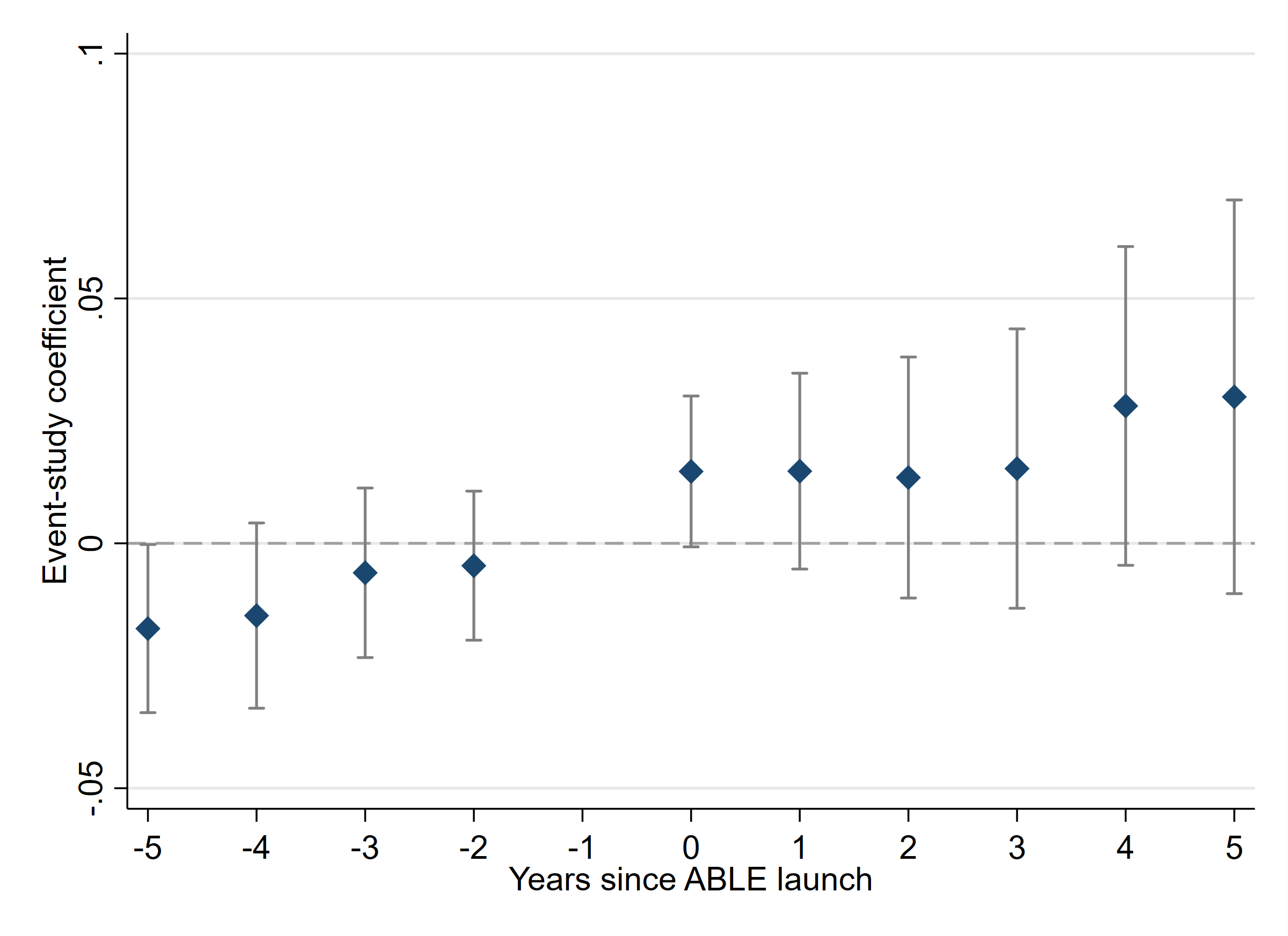
Using the staggered rollout of state ABLE programs from 2016 to 2026, research by RISEI Lab estimates the causal effect of asset-test relief on the economic lives of adults with disabilities. Access to an ABLE account raises income, employment, and wages.
Estimates from Yin (2026), ABLE Accounts and the Household Economic Response to Asset-Test Relief, RISEI Lab Working Paper 2026-05. Difference-in-differences on staggered state rollout across three panels.
Disposable income rises after a state launches ABLE
Trends before launch are flat and statistically indistinguishable from zero. Gains grow over the first five years of program availability.
Young adults respond most
- Employment +1.84 pp
- Labor force participation +1.15 pp
- Wage income +22.47%
Effects concentrate among young adults who meet the pre-age-26 onset rule, the group with the most working years ahead.
Interactive data
ABLE take-up across the states
Take-up is uneven. These animated maps track how ABLE assets and accounts have grown state by state from 2016 to 2026, drawn from state Treasurer, Ascensus, and Vestwell public reports.
Press play on the map to animate 2016 to 2026. Open full screen ↗
Resources
Briefs and help
Plain-language briefs from the research team. For everything hands-on, eligibility checks, simulators, and enrollment help, go to our free consumer platform.
For families
How ABLE protects savings and benefits. Eligibility, contribution limits, and why an account does not disqualify SSI or Medicaid.
→ 02For employers
The business case for ABLE payroll deduction as a workforce benefit, and how to set it up.
→ 03For policymakers
Where to embed ABLE information, which touchpoints move enrollment, and the fiscal response.
→Everything hands-on lives at joinreachable.com
Check your eligibility, simulate your benefits, compare state programs, and get step-by-step enrollment help, always free.
Go to joinreachable.com →About us
The team behind Project ReachABLE
Economists, practitioners, and disability-inclusion leaders from Northwestern University’s RISEI Lab and TransCen, Inc. More to come as the project grows.

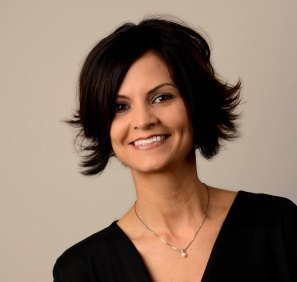
Michelle Yin, Ph.D.

Regina Seo, Ph.D.
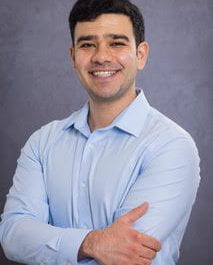
Hussain Hadah, Ph.D.
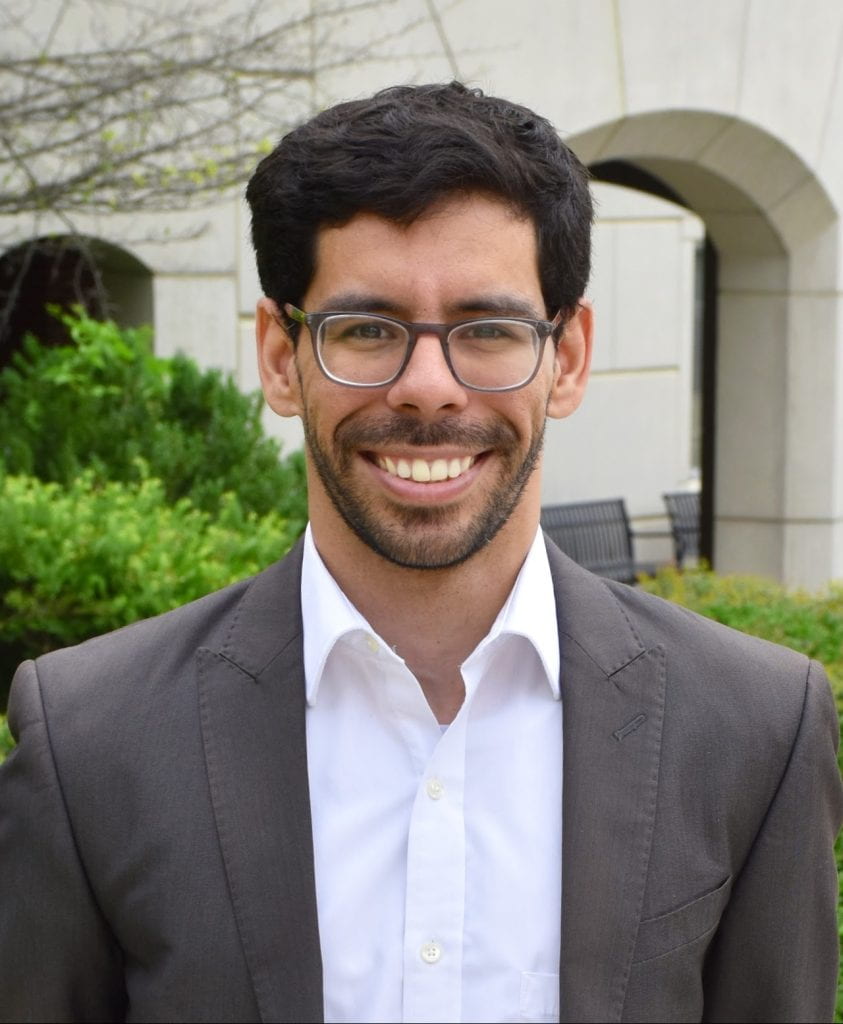
Diego Guerrero, Ph.D.
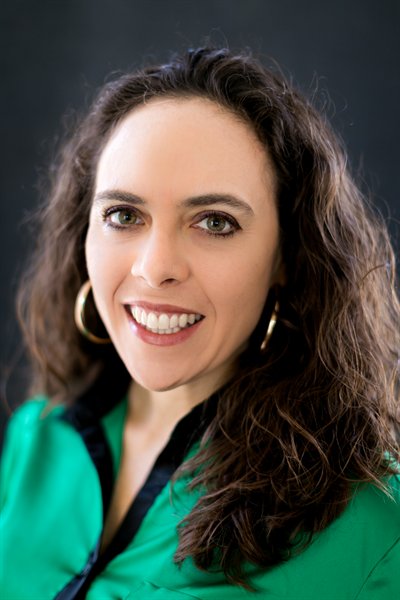
Dahlia Shaewitz
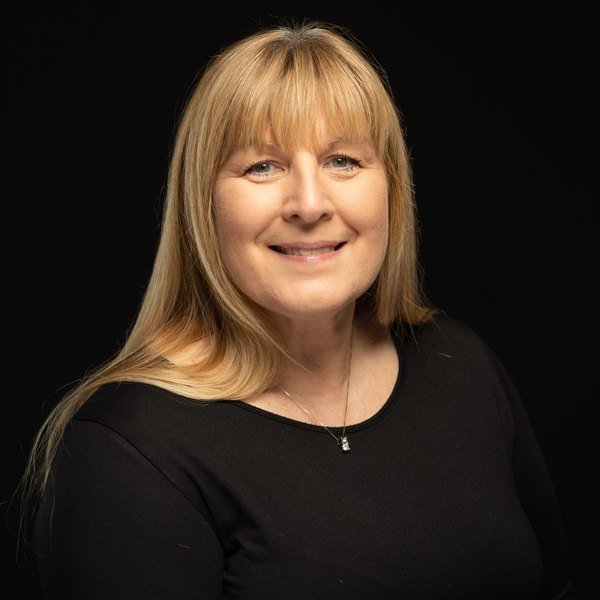
Laura Owens, Ph.D.