Building new pathways into real work — with real wages, real coworkers, and real advancement.
Our largest portfolio: subminimum wage transition, vocational rehabilitation ROI, competitive integrated employment, apprenticeship model design, and racial equity in VR services. Federal model demonstrations in Virginia and Maine, a flagship 15-state paper in Labour Economics, and eight policy briefs that move the decision.
The protective argument for 14(c) was empirically thin. So we tested it.
Section 14(c) of the Fair Labor Standards Act let certified employers pay workers with disabilities below the federal minimum wage — in some cases, as little as $0.22 an hour. The standard defense was that without it, employers simply wouldn't hire. We ran the first national quasi-experimental analysis of that claim across 15 states, using DOL administrative records (2015–24) and CPS data (2009–24).
No statistically detectable aggregate employment decline. A significant drop in welfare participation. A median post-transition wage 20× above the sub-minimum. The case for 14(c) collapses under the data — and so does the case for not phasing it out.
Read the paper Virginia EPIC projectThe goal isn't to protect people from work. It's to build new pathways into work that pay, dignify, and last — and to produce the evidence that makes those pathways fundable.— RISEI workforce principle
Four active fronts in workforce research.
Each thread is a live stream of research, in dialogue with the others — and anchored in federal model demonstrations and state agency partnerships.
Subminimum Wage Transition
National and state-level analysis of what happens when Section 14(c) certificates are eliminated — wages, employment, welfare participation, and provider transformation. Anchored by the 15-state Labour Economics paper and the Virginia EPIC federal model project.
VR ROI & Time-Use
Which counselor activities produce which labor-market outcomes. Structural analysis of VR time-use against closure outcomes, forthcoming in Rehabilitation Counseling Bulletin.
Apprenticeship & CIE Pathways
Sector-specific apprenticeship architectures for workforce programs transitioning from sheltered settings into competitive integrated employment. Built with state agencies, employer networks, and service providers — deployed in Virginia EPIC, scaling in Maine P2P.
Equity & Disparities in VR
Who gets served in vocational rehabilitation, who doesn't, and why. Racial disparities in service access and outcomes — plus the equity implications of moving to CIE without attention to who makes the transition first.
The research, in deployment.
From the working paper to the state-level implementation partnership: Virginia EPIC is where the workforce research actually moves policy.
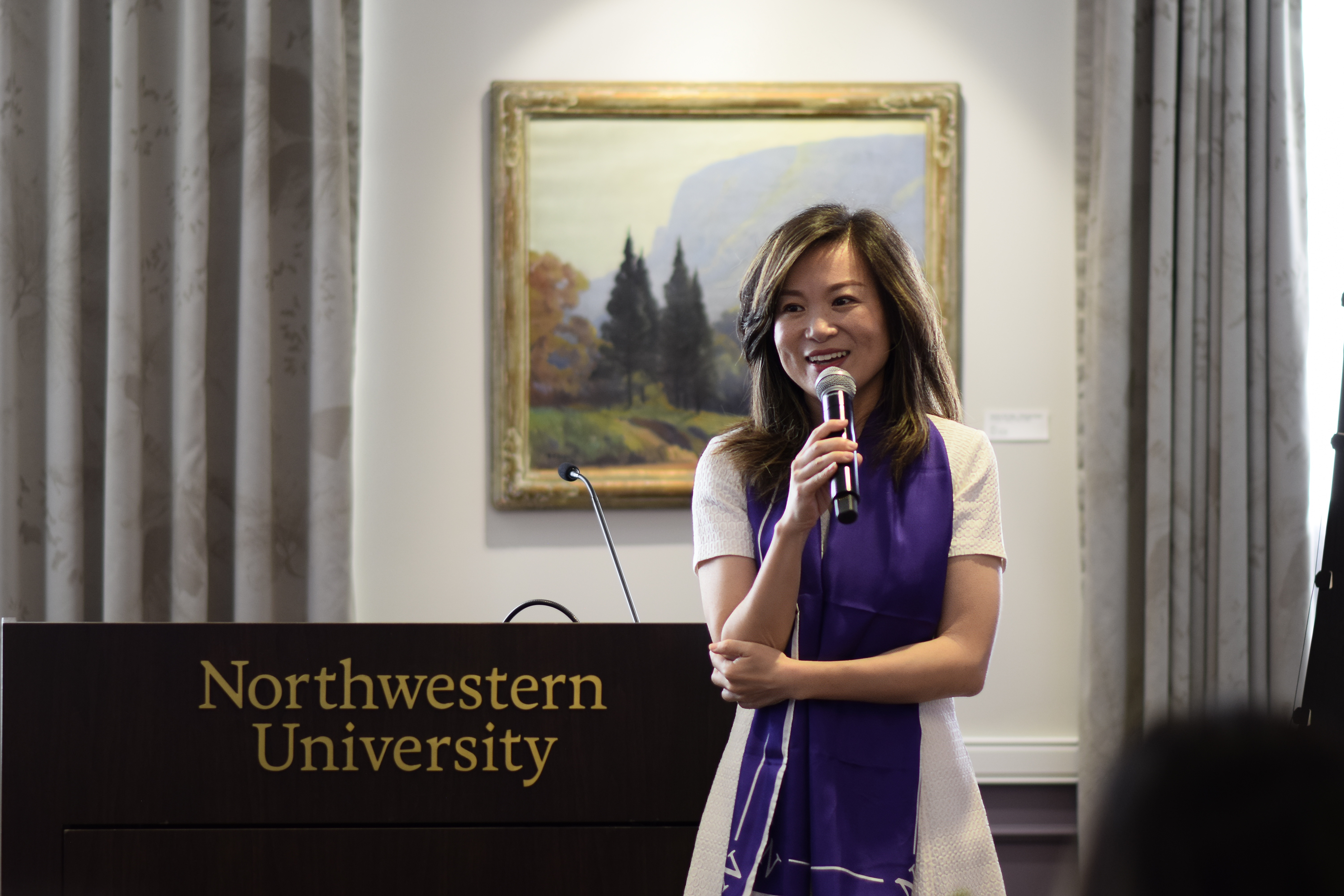
A statewide innovation partnership — the research in implementation.
Virginia EPIC is the working translation of the 15-state paper into a live state-wide transition. In partnership with the Virginia Department for Aging and Rehabilitative Services (DARS) and the Department for the Blind and Vision Impaired (DBVI), the lab runs four coordinated tracks: rigorous evaluation, stakeholder curriculum, provider transformation TA, and national policy dissemination.
Maine Pathways to Partnerships extends the model to youth transitions: a $2.98M RSA model demonstration integrating VR, special education, community partners, and employer networks — one youth, one integrated plan, one coordinator.
Virginia EPIC project →Where this research shows up in the field.
Two active federal model demonstrations anchor the lab's workforce portfolio — $7.27M combined, 2022–2028.
Virginia EPIC
Statewide transition from Section 14(c) subminimum wage into competitive integrated employment. Evaluation, curriculum, apprenticeship pathways, and national policy dissemination in partnership with DARS and DBVI.
Maine Pathways to Partnerships
Cross-agency transition model for youth with disabilities — integrating vocational rehabilitation, special education, community partners, and employer apprenticeship networks across all 16 Maine counties.
The full workforce publication portfolio.
Peer-reviewed articles, policy briefs, and working papers from this research area.
Scoping a workforce or disability employment grant?
RISEI serves as named evaluator on DOL, ETA Apprenticeship, RSA Model Demonstration, and state workforce agency grants — especially those involving Section 14(c) transition, competitive integrated employment, or apprenticeship pipelines. Bring us in at the proposal stage.
Start a partnership →